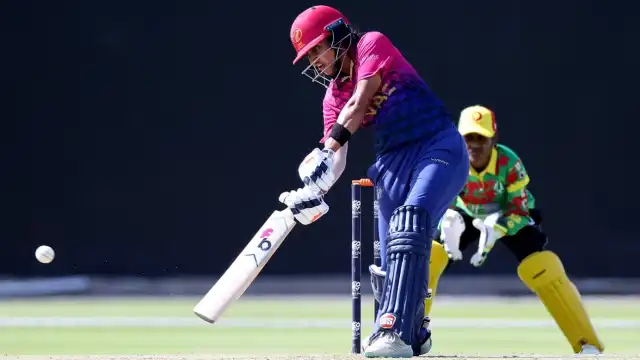
Women’s cricket experiences unprecedented growth, recognition, and professional opportunities as the sport embraces gender equality while showcasing exceptional talent and competitive standards. This renaissance transforms women’s cricket from recreational activity into professional career pathway attracting global audiences and commercial investment.
Historical Foundation Building
Women’s cricket traces back to the 18th century, though formal recognition and support lagged significantly behind men’s cricket development. Early female cricketers faced social barriers and limited opportunities while maintaining passion for the sport through informal competitions and club cricket.
The formation of women’s cricket associations during the early 20th century provided organizational structure and competitive frameworks. These pioneering organizations established rules, tournaments, and international competition pathways that laid foundations for modern women’s cricket success.
Breaking Participation Barriers
Traditional gender stereotypes questioned women’s cricket participation, suggesting the sport was inappropriate for female athletes. These attitudes gradually changed as women demonstrated skill, competitiveness, and entertainment value equal to their male counterparts.
Educational initiatives and grassroots programs introduced cricket to girls previously excluded from participation opportunities. School programs, youth leagues, and community clubs created pathways for female cricket development while challenging discriminatory practices.
Professional League Development
The establishment of professional women’s cricket leagues represents the sport’s commercial maturation and gender equality commitment. These competitions provide career opportunities, financial security, and global exposure previously unavailable to female cricketers.
The Women’s Big Bash League and The Hundred demonstrate successful women’s cricket commercial models through television coverage, sponsorship investment, and fan engagement. These leagues create sustainable ecosystems supporting professional female cricket careers.
International Competition Growth
Women’s World Cup tournaments achieve increasing global recognition and television coverage, showcasing competitive standards and athletic excellence. These premier events inspire young female cricketers while demonstrating women’s cricket’s entertainment value and commercial potential.
Bilateral series between major cricket nations provide regular international competition opportunities while building competitive narratives and player rivalries. This consistent international calendar mirrors men’s cricket structure while maintaining distinct competitive identity.
Player Development Revolution
Modern women’s cricket invests heavily in player development through professional coaching, fitness programs, and skill enhancement initiatives. These investments produce technically superior players capable of entertaining audiences and competing at elite international levels.
Sports science application in women’s cricket optimizes training programs, injury prevention, and performance enhancement. Female cricketers now access support services previously reserved for male athletes, creating more professional competitive environments.
Media Coverage Evolution
Television and digital media coverage of women’s cricket expands dramatically, providing visibility that attracts new fans and commercial partnerships. Professional commentary, analysis, and feature programming treat women’s cricket with equal respect and attention to detail.
Social media platforms showcase women’s cricket personalities, achievements, and behind-the-scenes content that builds fan connections. These digital relationships create loyal followings while demonstrating female cricketers’ marketability and entertainment appeal.
Commercial Investment Surge
Corporate sponsors increasingly invest in women’s cricket through tournament partnerships, player endorsements, and development program funding. These commercial relationships provide financial stability while demonstrating confidence in women’s cricket’s growth potential.
Prize money equality initiatives ensure female cricketers receive fair compensation for their competitive achievements. These policy changes represent broader societal shifts toward gender equality while providing career incentives for aspiring female cricketers.
Role Model Impact
Contemporary female cricket stars inspire young girls through athletic achievement, leadership, and professional success. These role models demonstrate cricket’s career potential while encouraging participation among previously underrepresented demographics.
Retired female cricketers contribute through coaching, administration, and commentary roles that maintain their sport involvement while providing expertise and guidance. This continued engagement creates comprehensive support networks for current and future female cricketers.
Competitive Standard Excellence
Modern women’s cricket showcases exceptional skill levels, tactical sophistication, and competitive intensity that rivals men’s cricket entertainment value. Technical improvements in batting, bowling, and fielding demonstrate dedicated training and professional coaching impact.
Close competitive margins between leading cricket nations create compelling contests with uncertain outcomes. This competitive balance enhances tournament excitement while maintaining global interest in women’s cricket championships and series.
Youth Development Programs
Comprehensive youth development programs identify and nurture female cricket talent through structured pathways from grassroots to professional levels. These programs address historical participation gaps while creating sustainable talent pipelines for future success.
School cricket initiatives introduce the sport to diverse populations while providing coaching and equipment support. These foundation programs ensure continued growth while maintaining competitive standards through systematic development approaches.
Global Expansion Initiatives
Women’s cricket expansion into non-traditional markets creates new participation opportunities while demonstrating the sport’s universal appeal. Development programs in emerging cricket nations provide infrastructure and coaching support for sustainable growth.
International partnerships between established and developing cricket nations transfer expertise while building global competitive depth. These collaborative approaches ensure women’s cricket continues expanding while maintaining quality standards.
Technology and Innovation
Women’s cricket embraces technological innovation through broadcast enhancement, performance analysis, and fan engagement platforms. These technological investments create professional presentation standards while providing analytical tools for performance improvement.
Data analytics application helps teams and players optimize strategies, identify strengths and weaknesses, and enhance decision-making processes. This scientific approach elevates competitive standards while maintaining entertainment value for global audiences.
Conclusion
Women’s cricket renaissance represents sport’s capacity for positive change through dedication, investment, and recognition of exceptional talent. The transformation from recreational activity to professional career demonstrates cricket’s inclusive potential while providing inspiration for gender equality across all sports. This continued growth ensures women’s cricket maintains momentum while creating opportunities for future generations of female athletes.


